

 maps4kids team
What Makes Blue Lake So Special?
Hidden deep in New Zealand’s mountains is a magical place called Blue Lake. Its Māori name is Rotomairewhenua, which means “the lake of peaceful lands.” When you see it, you immediately understand why. The water shines bright blue and purple, and it is so clear that scientists say it’s the clearest natural freshwater ever measured.
See where Blue Lake is located in New Zealand on Google Maps.
Imagine being able to look straight through water for almost 80 meters (that’s as long as a soccer field!). That’s how clear Blue Lake is.

Blue Lake is protected. People can hike near it, but they’re not allowed to swim in it, touch it, or wash in it. This keeps the lake healthy and crystal clean for generations to come.
Why Is the Water So Clear?
The story behind Blue Lake’s water is like something from a sci-fi adventure.
High above Blue Lake sits another lake called Lake Constance. Water seeps from Lake Constance through natural underground rock filters. This process removes almost all tiny particles—like dust, sand, and algae—before the water reaches Blue Lake.
It’s like nature built its own giant, super-powered water filter!
Because the water is so pure, it reflects only the bluest light from the sun. That’s why the lake glows with such magical color.
How Blue Lake Connects to Life on Distant Planets
You might wonder:
What does a super-clear lake on Earth have to do with life on distant planets?
Actually… a lot!
Scientists studying Blue Lake learn about how extreme environments work. These environments help us understand where life could exist in space.
See our article on “Life on Distant Planets”
Water on Mars?
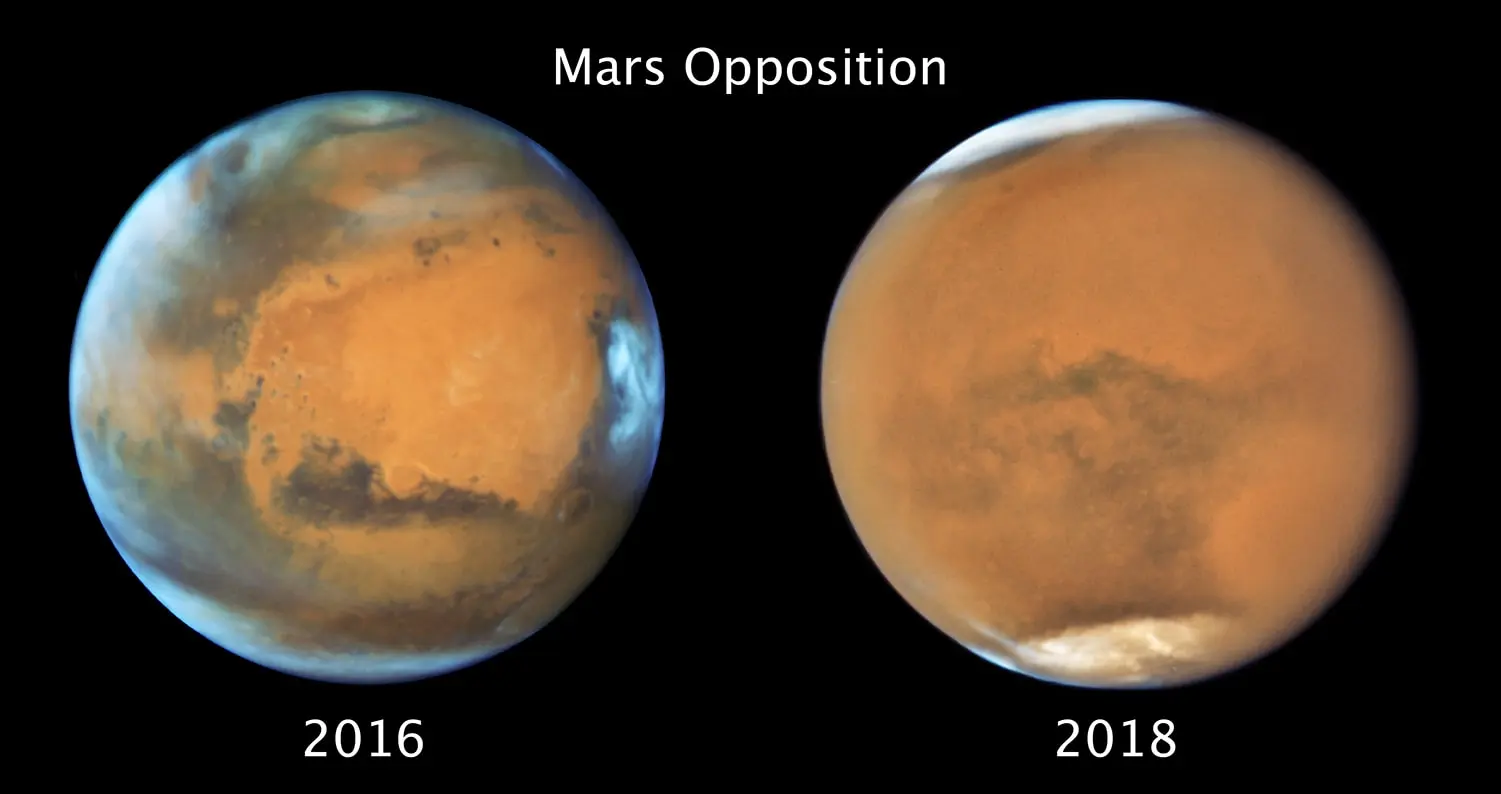
To find alien life, scientists look for unique signs—clear water, unusual minerals, extreme temperatures, or mysterious colors. Blue Lake gives us clues about what to look for on planets far away.
Let’s explore how!
Lesson 1 — Water Can Look Different on Other Worlds
On distant planets, water might not look like the water you see at home.
Blue Lake’s special color teaches us that when light hits water, it can create amazing effects. On other planets:
- Water might glow red or green
- Ice could shimmer purple or gold
- Lakes might even be black if they contain strange minerals

Scientists use places like Blue Lake to practice understanding these unusual colors.
So if we find a bright blue or glowing lake on another planet, we’ll know it might mean something important.
Lesson 2 — Tiny Life Forms Can Survive Almost Anywhere
Scientists study the microbes around Blue Lake. Even though the lake itself is protected and untouched, the nearby environment can have tiny organisms that survive in very cold, harsh places.
These tough microbes are called extremophiles.

Why does that matter?
Because on distant planets and moons—like Europa (a moon of Jupiter) or Enceladus (a moon of Saturn)—there might be oceans under thick layers of ice. These oceans could also host tiny, brave microbes.
By learning how microbes survive near Blue Lake, we can imagine how life might survive far from Earth.
Lesson 3 — Protecting Natural Places Helps Space Exploration
Blue Lake is sacred to the local Māori people. It’s also scientifically precious. People protect it very carefully: hikers clean their boots, and everyone follows strict rules to stay away from the water.
This teaches us an important idea for space:
If we find life on another planet, or even a place where life could exist, we must protect it.
Just like Blue Lake, these places need respect, care, and gentle exploration.
What If We Found a “Blue Lake” on Another Planet?
Imagine astronauts landing on a faraway planet. They climb over a rocky hill and suddenly see… a glowing blue lake, shining like a gemstone.
What could it mean?
Here are some possibilities:
- The water is incredibly pure
- The planet has a healthy atmosphere
- Light interacts with minerals in strange ways
- There might be tiny forms of life nearby
- The lake could be part of a large underground water system
A lake like Blue Lake on another world would be a huge clue. It would make scientists dance with excitement!
The Science Kids Can Try at Home
You can explore ideas from Blue Lake and space using simple activities.
1. Make a Mini Light-Color Experiment
Fill three clear glasses with water.
Add:
- Nothing (pure water)
- A tiny bit of milk
- A tiny bit of soil

Shine a flashlight behind them. Notice how the color changes.
This is how scientists study water on other planets!
2. Explore “Extremophile Worlds”
Use ice, warm water, or salty water to test how plants or harmless microbes behave. (Ask an adult first!)
3. Create Your Own Alien Lake Drawing
Imagine a world where a lake:
- Glows neon green
- Has floating crystals
- Is pink like strawberry milkshake
Your imagination works the same way real scientists use creative thinking to explore the universe.
Blue Lake Reminds Us to Be Curious
Blue Lake isn’t just beautiful. It’s a teacher.
It teaches us:
- To protect nature
- To explore carefully
- To stay curious
- To imagine worlds beyond our own
Whenever you see a lake, puddle, or even a glass of water, think about how water might behave on other planets.
Could it glow? Sparkle? Freeze instantly? Hide alien microbes?
The universe is full of mysteries.
And every mystery starts with a place exactly like Blue Lake.




Add comment